

Feature
The Disaster Dollar Database is a tool that tracks the major sources of federal funding for disaster recovery in the United States.
{
  "authors": [
    "Debbra Goh",
    "Sarah Labowitz"
  ],
  "type": "commentary",
  "centerAffiliationAll": "dc",
  "centers": [
    "Carnegie Endowment for International Peace"
  ],
  "collections": [
    "Climate Mobility",
    "Climate Disasters and Adaptation"
  ],
  "englishNewsletterAll": "ctw",
  "nonEnglishNewsletterAll": "",
  "primaryCenter": "Carnegie Endowment for International Peace",
  "programAffiliation": "SCP",
  "programs": [
    "Sustainability, Climate, and Geopolitics"
  ],
  "projects": [],
  "regions": [
    "United States"
  ],
  "topics": [
    "Climate Change",
    "Domestic Politics"
  ]
}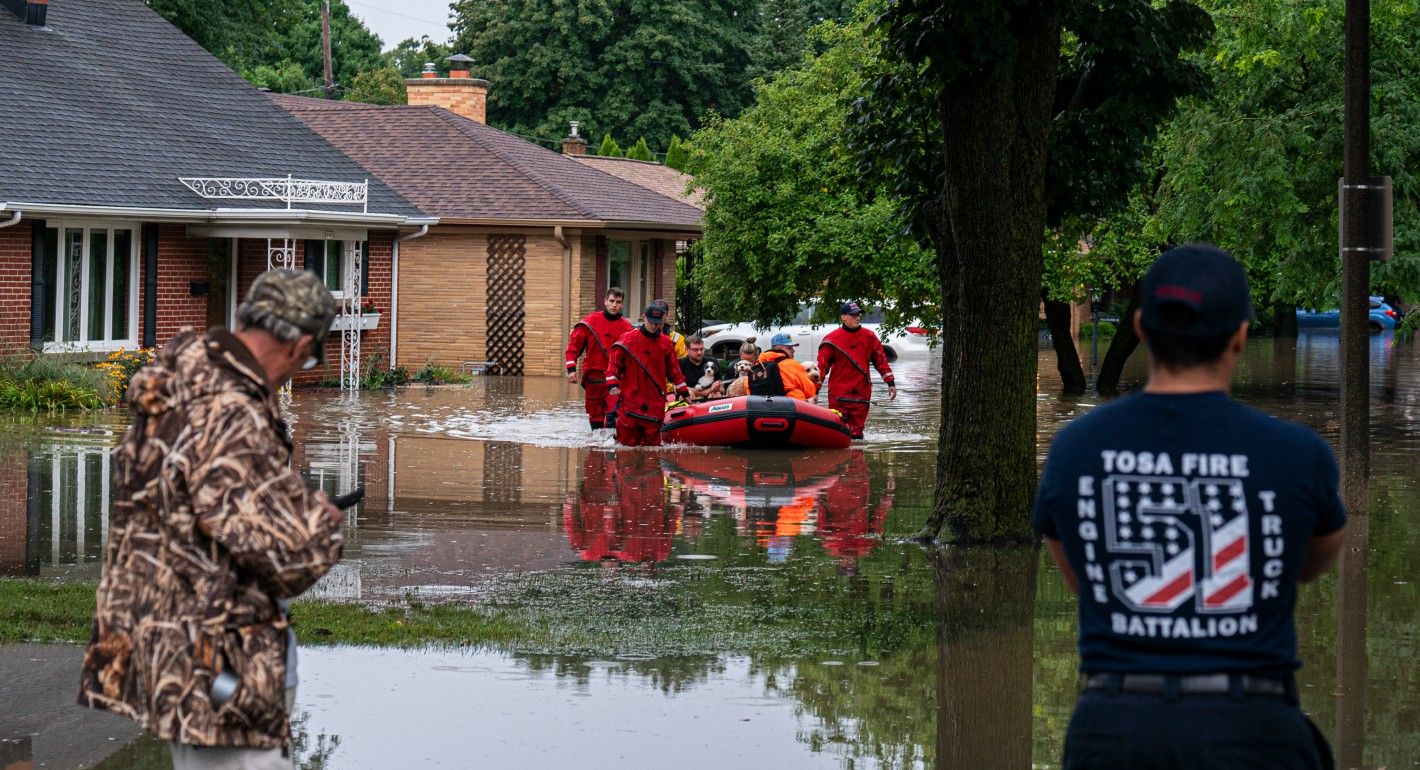
First responders rescue people from flooding on August 10, 2025, in Wauwatosa, Wisconsin. (Photo by Andy Manis/Getty Images)
In a chaotic insurance market in which many people can’t get disaster-related coverage, SBA loans will likely become a bigger part of the recovery landscape.
It’s almost the end of the year, which means it’s time for an update to Carnegie’s Disaster Dollar Database (DDD).
The Sustainability, Climate, and Geopolitics program launched the DDD in August 2024 to track the major sources of federal funding for disaster recovery in the United States. We update it twice a year to expand the dataset and improve usability. The DDD is a tool for policymakers, community organizers, disaster survivors, journalists, and other scholars.
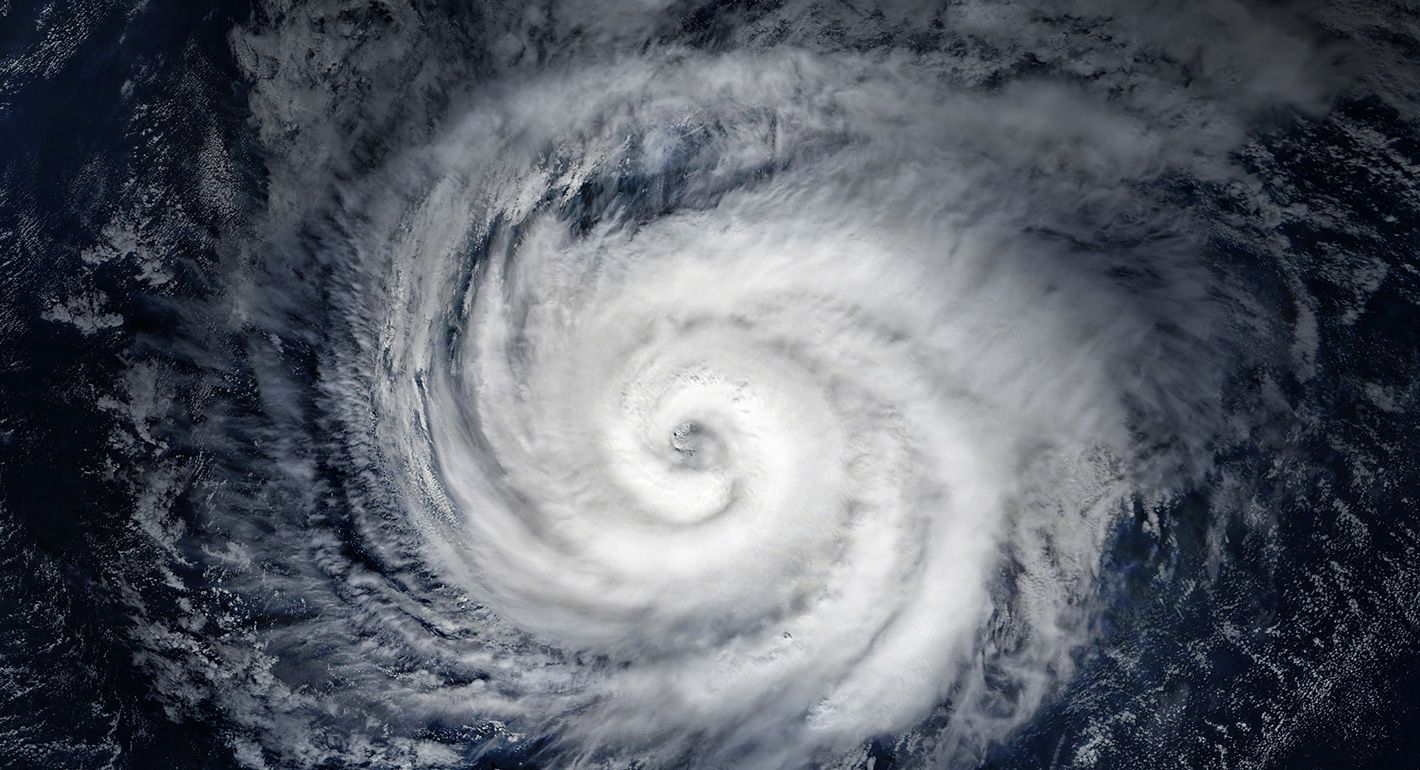
The Disaster Dollar Database is a tool that tracks the major sources of federal funding for disaster recovery in the United States.
In this update, we’re excited to include data from the Small Business Administration (SBA) for the first time. Previously, the DDD was limited to data from the Federal Emergency Management Agency (FEMA) and the Department of Housing and Urban Development (HUD).
FEMA and HUD offer grants to local and regional governments, and FEMA helps individuals through its individual assistance recovery program. SBA offers low-interest loans to businesses, homeowners, renters, and nonprofit organizations that need funds for disaster rebuilding.
Why does SBA matter in the federal disaster aid architecture? In a chaotic insurance market in which many people can’t get disaster-related coverage for wildfire or flood damage, SBA loans will likely become a bigger part of the recovery landscape. SBA loans are already the largest source of federal dollars available for rebuilding or repairing disaster-damaged homes. Between September 2003 and September 2022, SBA approved more than $9.5 billion in disaster loans. These loans can be used for losses that are not otherwise covered by private insurance or FEMA funding. SBA is a critical source of financial support for repairing damaged owner-occupied homes and small businesses without adequate insurance coverage. Homeowners can apply for up to $500,000 in loans for home repairs, and renters or homeowners can be approved for up to $100,000 for personal property damage. Businesses and private nonprofit organizations can apply for up to $2 million to cover disaster losses not fully covered by insurance.
Importantly, SBA disaster loans can be used for mitigation. Borrowers can elect to increase their loans by up to 20 percent to make building upgrades—such as weatherproofing against floods, wildfires, wind, or hail—that can lower their risk profiles. Previously, FEMA’s Hazard Mitigation Grant Program (HMGP) offered funds to state and local governments for such efforts. But our research shows that HMGP funding has not been approved since March 2025, indicating that the current administration does not see mitigation funding as a priority. SBA loans can be an alternative avenue for individuals and businesses to rebuild with future risks in mind.
The update brings our FEMA data up to date through October 2025 and adds the new SBA data. There’s no update for the HUD data, as HUD has received no new congressional appropriations for disaster recovery since the previous update in June.
The SBA data has some notable limitations. First, the data is only available from 2003 through 2022. Whenever SBA releases additional data, we’ll add it to the DDD. Second, the data only shows the amount borrowers were authorized to access, not the total expended amount. Borrowers frequently only take a portion of their approved amounts, and we don’t have access to data about what SBA actually lent against the authorized amounts.
Eligibility for disaster loans can be triggered by either a major disaster declaration by the president under the Stafford Act, or by a declaration by the SBA administrator under the Small Business Act. Our dataset reflects SBA funding that falls under the Stafford Act only. Under the Stafford Act, SBA individual, household, and business disaster loans are only available in counties in which both FEMA’s Individual Assistance and Public Assistance programs have been authorized. If only the latter is authorized, SBA loans are only available for private nonprofits.
Recent policy updates simplified elements of the disaster recovery financing ecosystem, making it easier for survivors to navigate. Prior to March 2024, some FEMA applicants had to first apply for SBA disaster loans before they could receive FEMA’s SBA-Dependent Other Needs Assistance. With that requirement now removed, we anticipate that SBA application numbers from fiscal year 2024 onward will decrease as a result of this policy change. As we update the DDD with more recent SBA data, we’ll report back on what we’ve found.
If you’re finding this data useful, run into any challenges while using it, or have suggestions for future iterations of this database, we would love to hear from you. Email us at climate@ceip.org.
The Disaster Dollar Database is a tool that tracks the major sources of federal funding for disaster recovery in the United States.

Research Assistant, Sustainability, Climate and Geopolitics Program
Debbra Goh is a research assistant in the Sustainability, Climate and Geopolitics Program.

Senior Fellow, Sustainability, Climate, and Geopolitics Program
Sarah Labowitz is a senior fellow in the Sustainability, Climate, and Geopolitics Program whose work lies at the intersection of climate, national security, and democracy.
Carnegie does not take institutional positions on public policy issues; the views represented herein are those of the author(s) and do not necessarily reflect the views of Carnegie, its staff, or its trustees.
The full list of humiliations Europe has endured since Donald Trump returned to the White House makes for grim reading. But Washington’s adversarial approach to its allies undermines its own power base.

Rym Momtaz

The National Rally’s electoral strength, coupled with its internal fragility at a crucial political juncture, contributes to foreign policy vagueness.
Catherine Fieschi
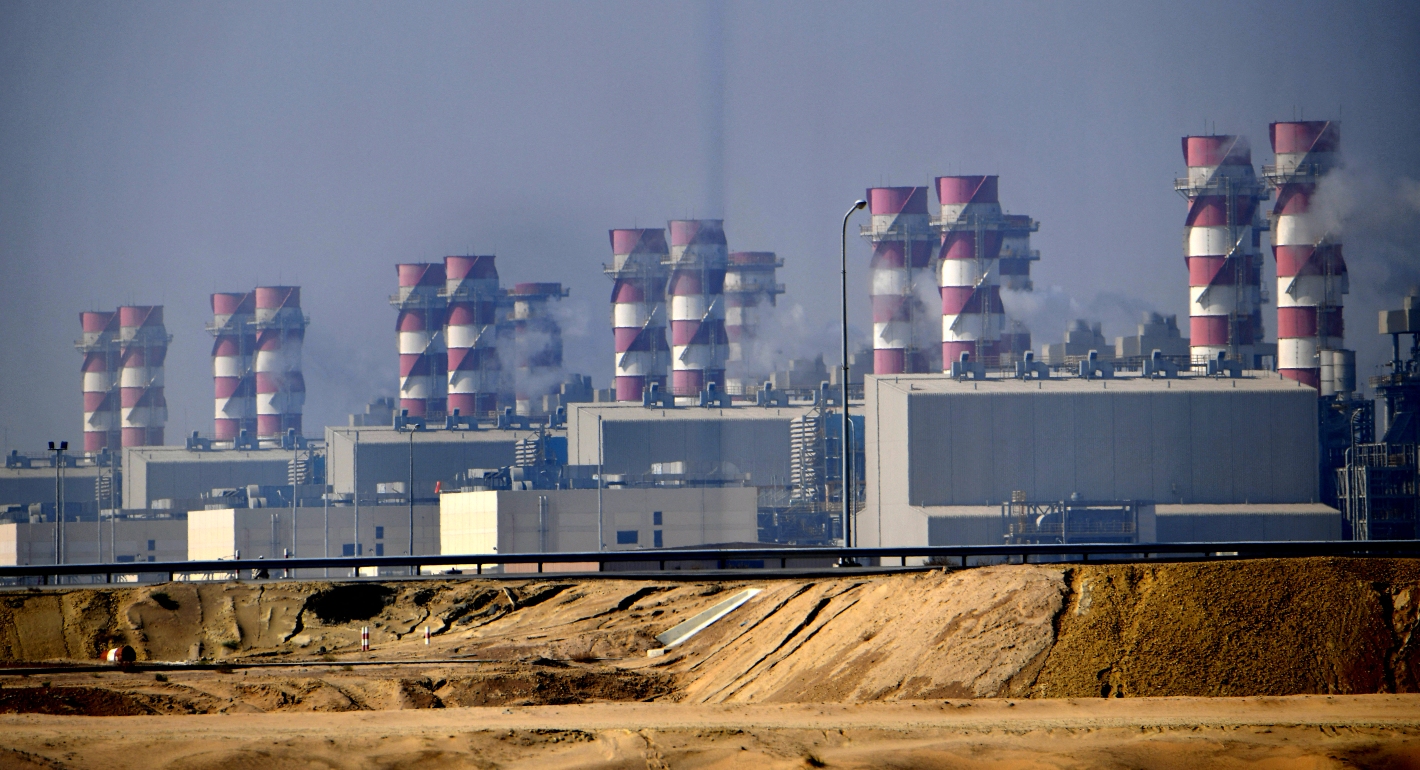
The U.S.-Iran war has crossed a dangerous threshold: water infrastructure in the Gulf is now a target. Ecological statecraft is no longer peripheral to security, it's part of its foundations.

Olivia Lazard, Ali Bin Shahid
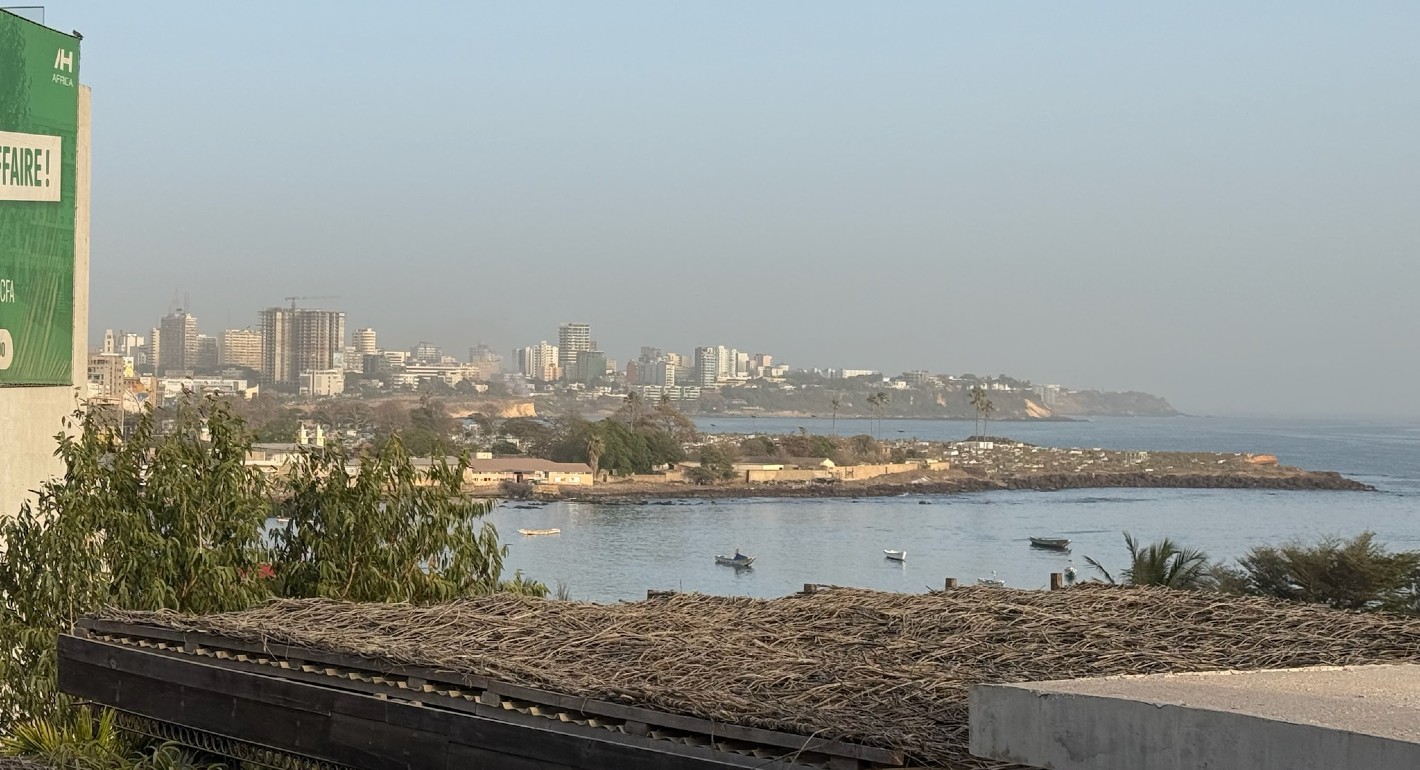
During our visit, we observed a democracy that has learned from its difficult past and is working toward an even more dynamic future.

Sarah Yerkes, Natalie Triche
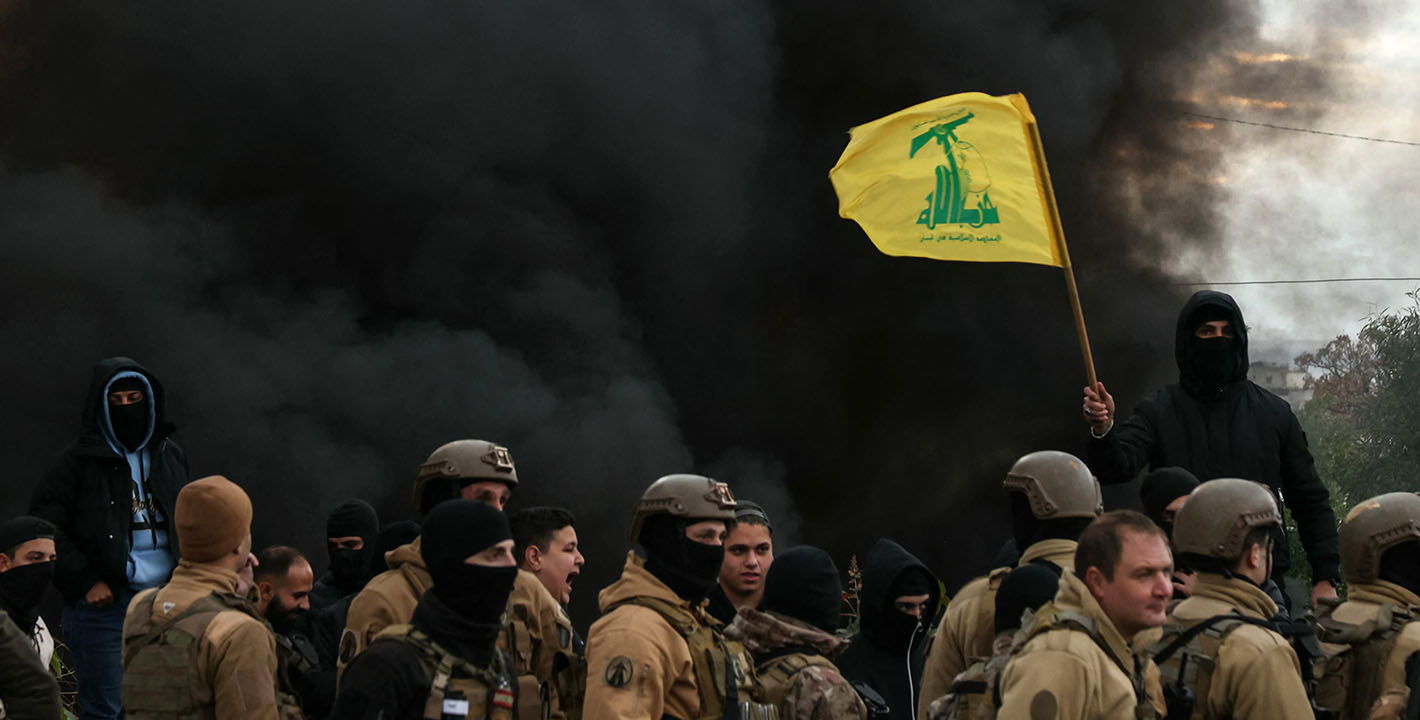
The party’s domestic and regional roles have changed, so Lebanon should devise a disarmament strategy that encompasses this.

Michael Young