

Commentary
Lebanon’s largest water reservoir is a house of many mansions when it comes to converging failures.
Camille Ammoun
{
  "authors": [
    "Ghida Tayara"
  ],
  "type": "commentary",
  "blog": "Diwan",
  "centerAffiliationAll": "",
  "centers": [
    "Carnegie Endowment for International Peace",
    "Malcolm H. Kerr Carnegie Middle East Center"
  ],
  "collections": [
    "Three Question Time"
  ],
  "englishNewsletterAll": "",
  "nonEnglishNewsletterAll": "",
  "primaryCenter": "Malcolm H. Kerr Carnegie Middle East Center",
  "programAffiliation": "",
  "programs": [],
  "projects": [],
  "regions": [
    "Lebanon",
    "Israel"
  ],
  "topics": []
}
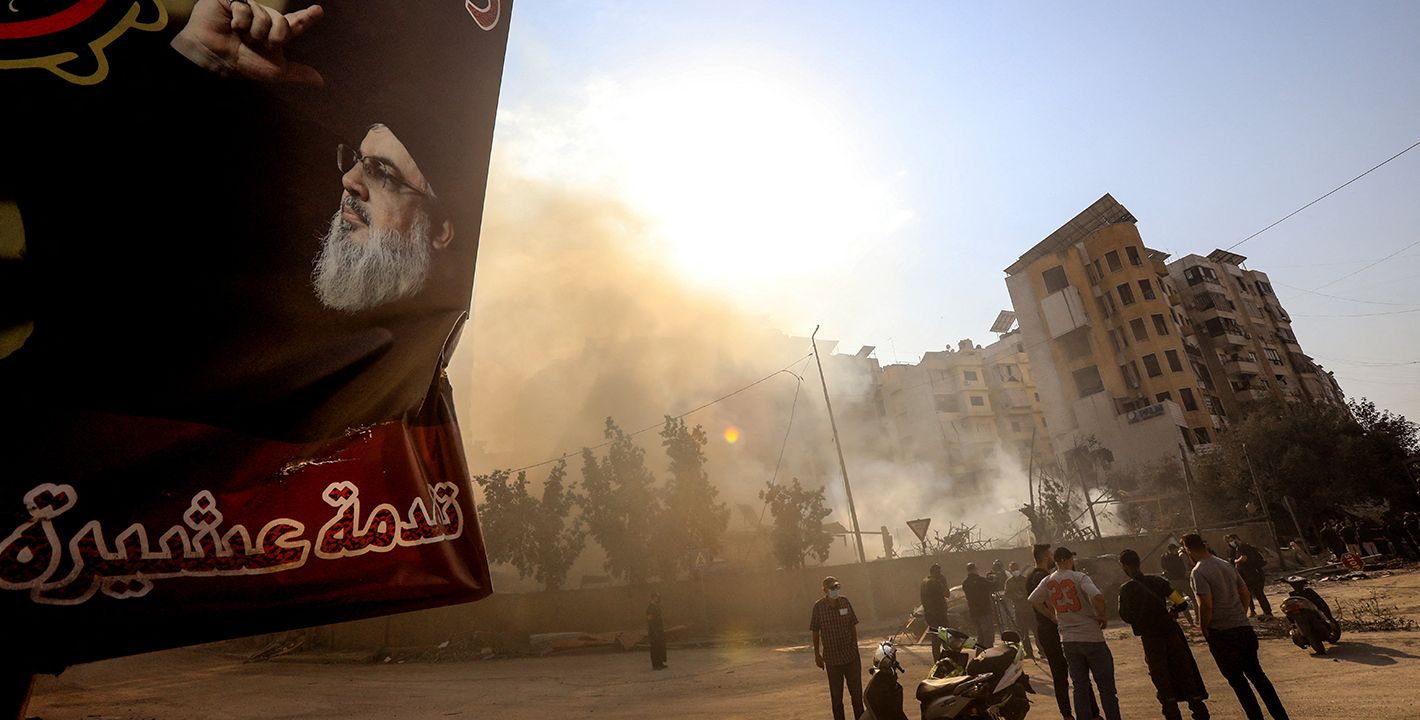
Source: Getty
In an interview, Mohanad Hage Ali discusses the devastating impact of Israel’s ongoing attacks in Lebanon.
Invalid video URL
Mohanad Hage Ali is the deputy director for research at the Malcolm H. Kerr Carnegie Middle East Center in Beirut where his work focuses on the shifting geopolitics and Islamist groups after the Arab uprisings. Hage Ali is from south Lebanon and wrote his doctoral dissertation on Hezbollah, later published as a book, titled Nationalism, Transnationalism, and Political Islam: Hizbullah's Institutional Identity (Palgrave Macmillan, 2018). Diwan interviewed him in late October to get his perspective on the ongoing war in Lebanon, as large segments of the country, particularly areas of Shiite concentration, have been devastated by Israeli bombing.
Ghida Tayara
Senior Digital and Web Coordinator
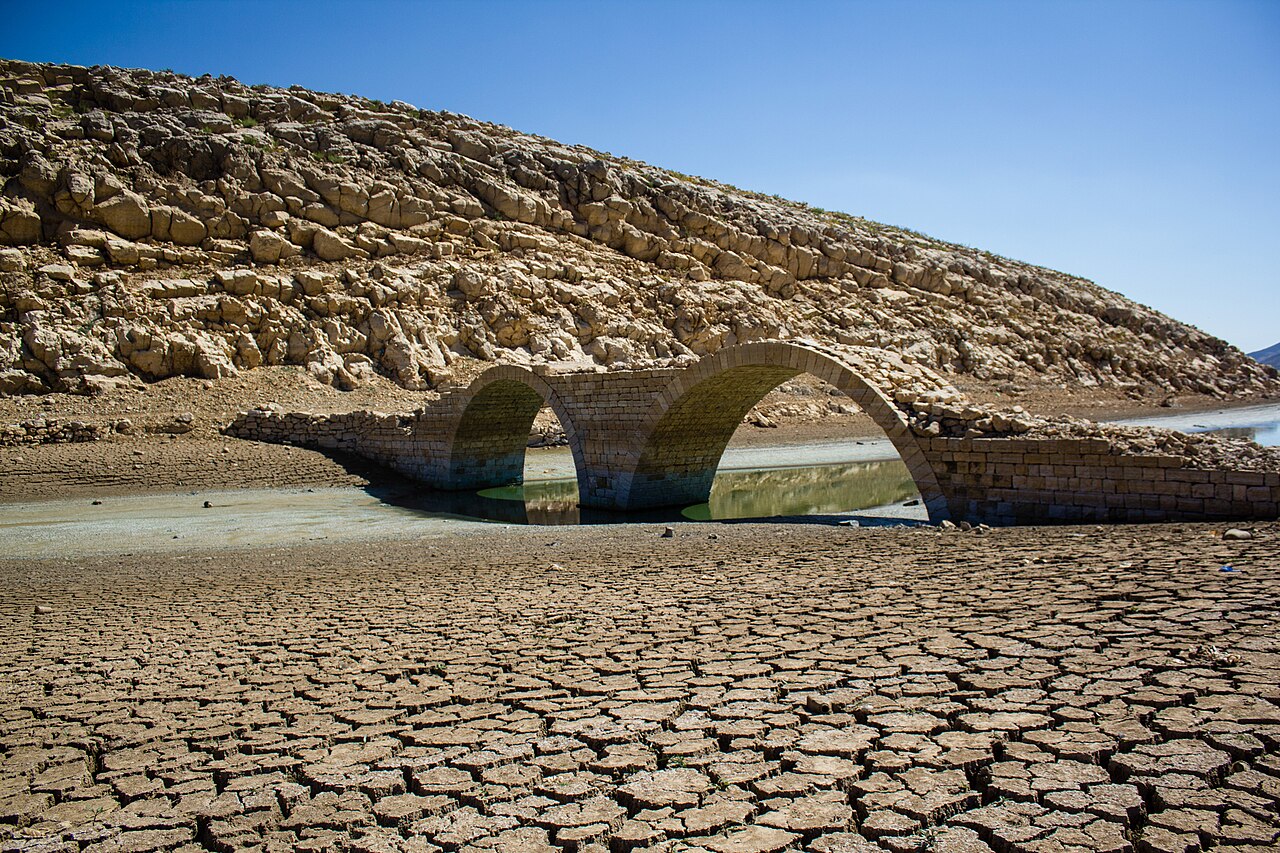
Lebanon’s largest water reservoir is a house of many mansions when it comes to converging failures.
Camille Ammoun
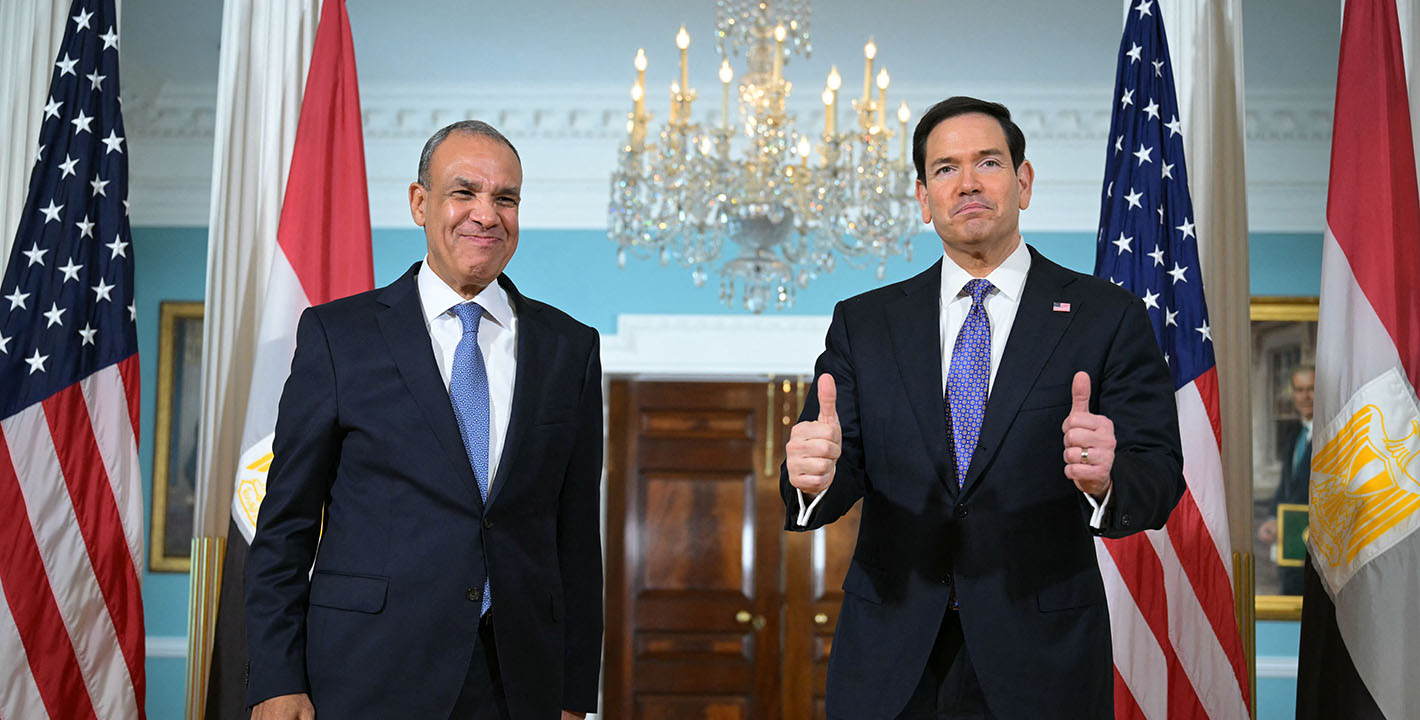
Cairo’s efforts send a message to the United States and the region that it still has a place at the diplomatic table.

Angie Omar
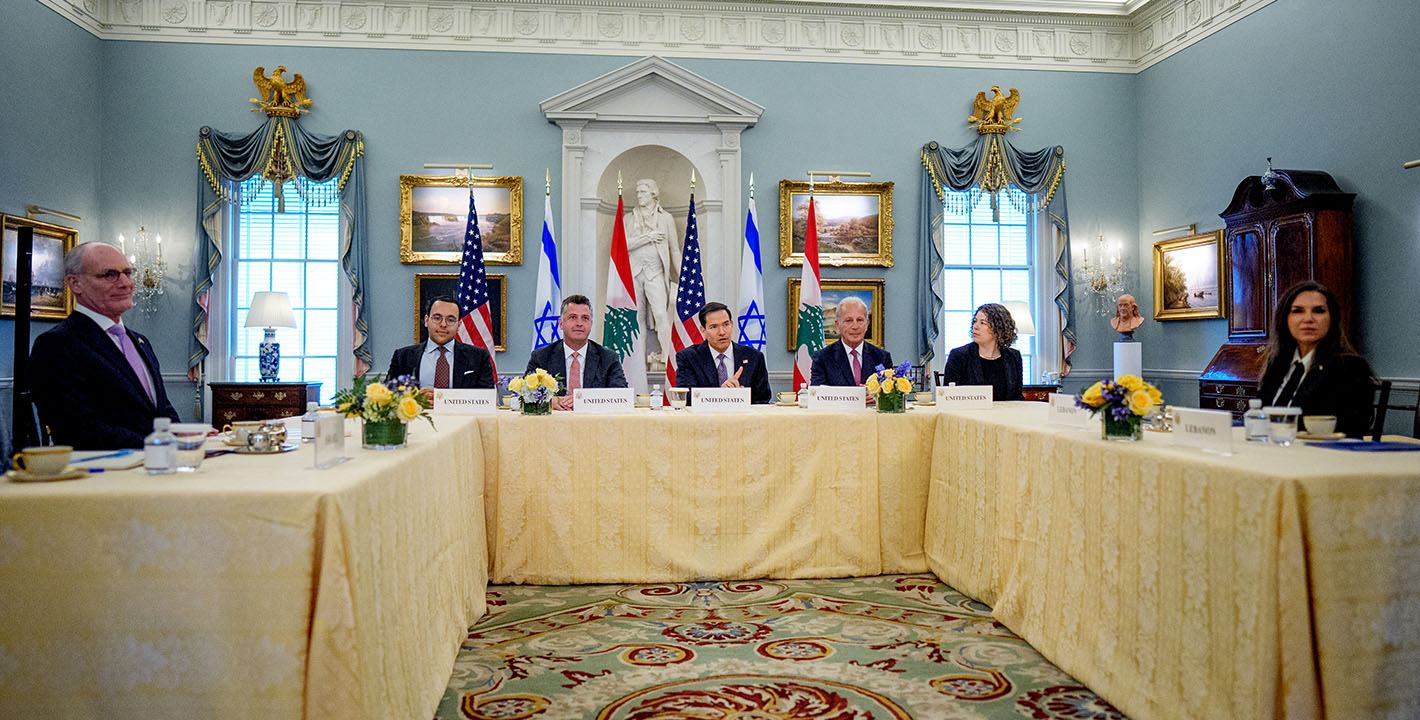
Beirut’s desire to break free from Iranian hegemony may push it into a situation where it has to accept Israel’s hegemony.

Michael Young
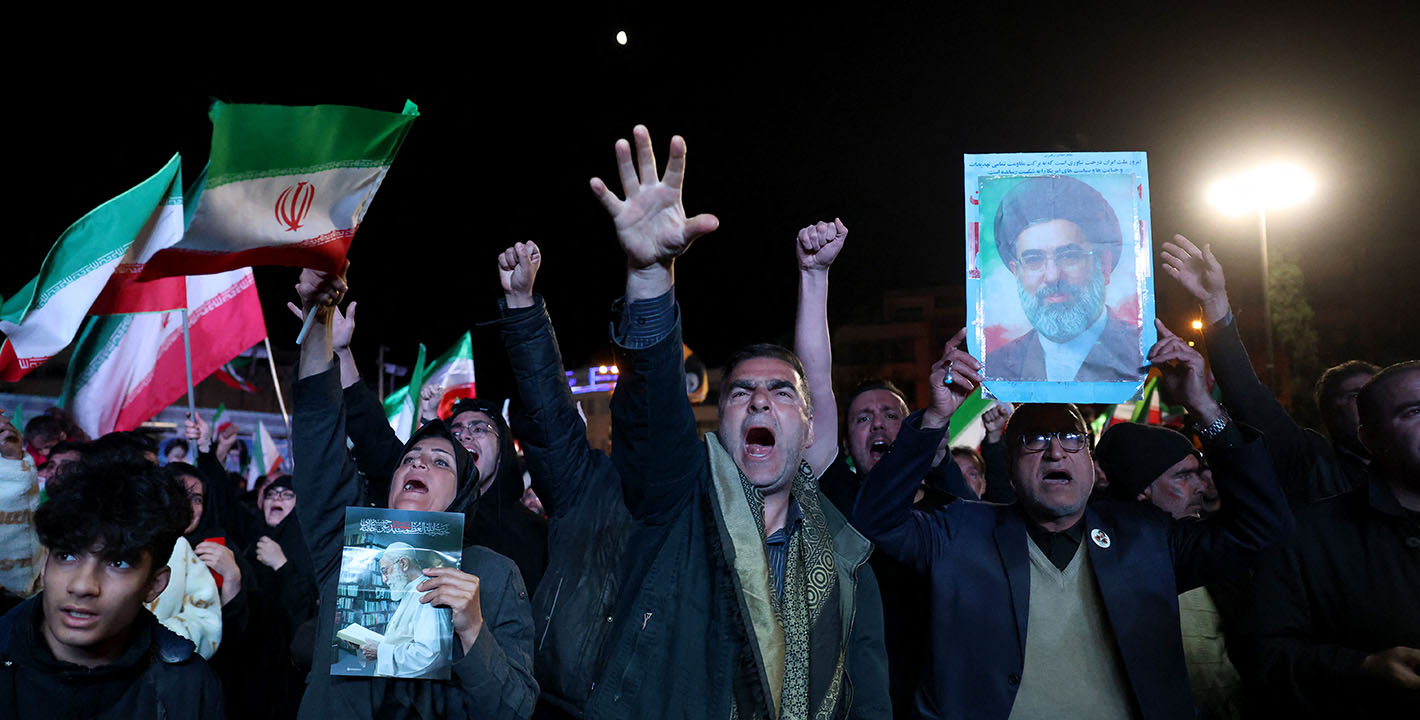
Spot analysis from Carnegie scholars on events relating to the Middle East and North Africa.
Michael Young
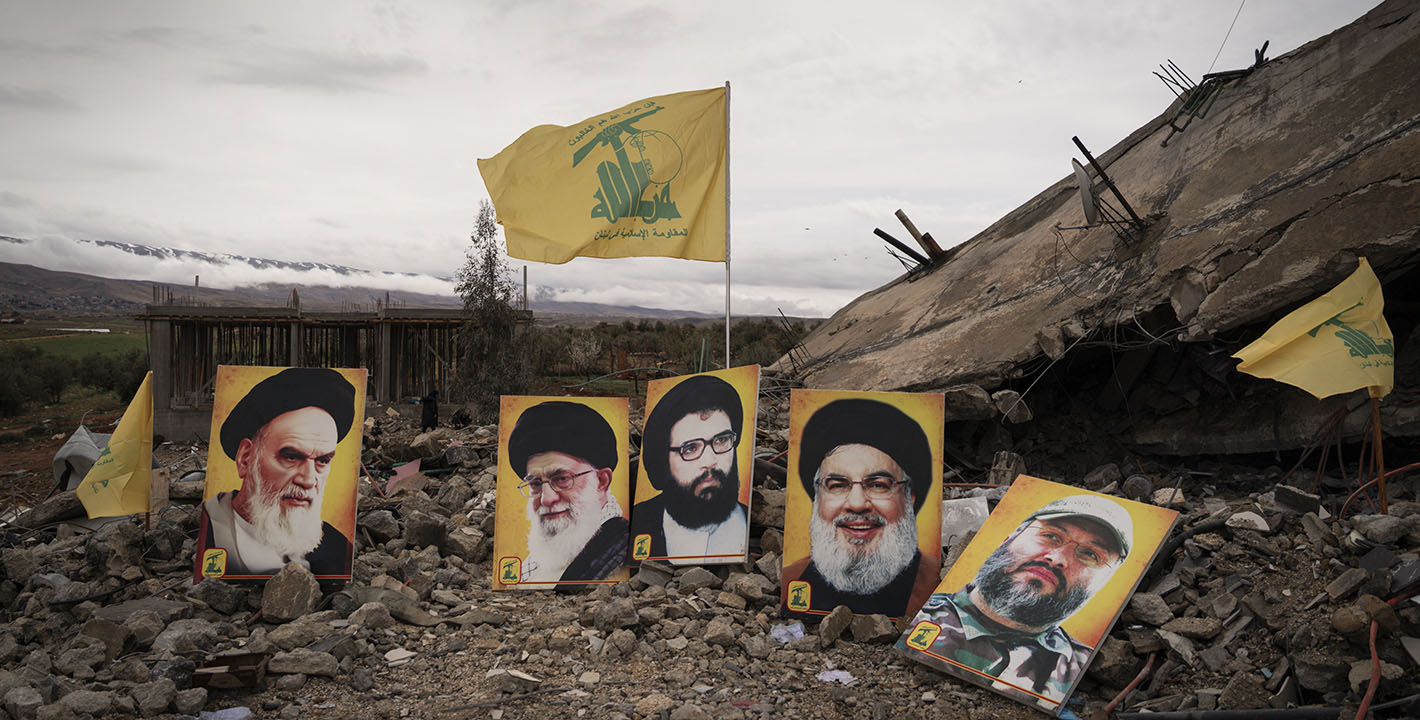
The party’s objectives involve tying together the Lebanese and Iranian fronts, while surviving militarily and politically at home.
Mohamad Fawaz